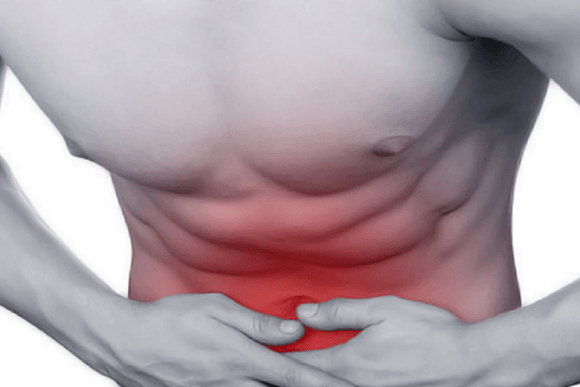
Chronic prostatitis – the scourge of modern men, or a condition they would rather ignore?
According to statistics, this is the most common disease of the male reproductive system, with an equal incidence in young and old men.
The insidious thing about chronic prostatitis is that in most cases, the disease is actually asymptomatic.
A little anatomy...
The prostate is a male gland with a volume of 20 - 30 ml that acts as a barrier to prevent infection from penetrating the genitourinary organs due to the production of antibacterial substances.A small valve that prevents sperm from entering the bladder, it also produces fluid that ensures high sperm motility.
Definition of prostatitis
Glandular inflammation is nothing more than prostatitis.It increases in size over time and scar tissue forms due to ongoing inflammation.What causes inflammation will be discussed below, now another question…
How do you know if you are sick?
Each organism is unique and the symptoms of the disease may vary, but long-term observation of patients with chronic prostatitis allows doctors to identify the most common common symptoms: pain in the groin immediately after ejaculation; pain with urination, heaviness in the lower abdomen, inability to express orgasm, elimination.
Why does this happen?
The prostate is inflamed and any contraction can cause discomfort.The whole condition is also accompanied by: fatigue, sleep disturbance and resulting irritability.
Why me?
reason...
Analyze your life, maybe it has been or is like this:
- Sexually transmitted infections: Chlamydia, Trichomonas.or pathogens: Staphylococcus aureus, Escherichia coli.
- Maybe you're an office worker who leads a sedentary lifestyle.
- Or your life is filled with constant stress.
- Irregular or complete lack of sexual intercourse (causing prostate stagnation).
- Acute and chronic diseases that reduce immunity.
- Power supply error.Many experts agree that malnutrition is also an indirect cause of chronic prostatitis.
- Bad habits: alcoholism, smoking.

what to do?
If you experience some of the above symptoms, be sure to talk to your doctor.Do not under any circumstances self-medicate by following magical advice described on the Internet.
Important!
Before choosing a urologist, look for reviews from people he has helped rather than his qualifications.Read the forums for recommendations about specific clinics from people who have been treated.
Treatment of chronic prostatitis
First, the doctor will ask about your medical history.Here, it is important to describe the details of what happened to you when the first symptoms of the disease appeared, without withholding the details.
In addition, in order to make a correct diagnosis and determine the type of prostate disease you have, your doctor will conduct a comprehensive examination.
There are four types of prostatitis:
- Bacterial - Very rare, may be an acute infection without treatment.
- Nonbacterial inflammation with infectious agents.
- Antibacterial and non-inflammatory.
- Asymptomatic – No symptoms.
The doctor will conduct a comprehensive examination.This includes blood and urine tests, various smears, a palpation test by your doctor to determine the size of your prostate, and an ultrasound.

The doctor will prescribe an effective treatment for chronic prostatitis based on your physical characteristics and research results.
The road is long, and it's important to understand that the success of treatment depends on more than just medications and prescribed procedures.Success largely depends on how you live your life.
Are you ready to change your life?Older men regularly participate in sports, running, and walking.Be sure to get enough sleep.Eat right.Quit smoking and drinking.
Modern techniques for treating chronic prostatitis
This is the twenty-first century, and medicine has not stood still.New drugs are constantly emerging, as well as new methods of painless hardware treatment that have been well-proven in clinical trials.
Among hardware treatments, laser therapy is now widely used.The laser acts directly on inflamed tissue, restoring blood circulation and gradually removing scar tissue.
There are virtually no side effects found, but there are many contraindications such as heart disease, epilepsy, diabetes, etc.
Transurethral wave therapy has also proven to be effective.The bipolar source directs thermal energy to the affected area, allowing only rapidly growing glandular cells to be selectively heated and destroyed, while leaving surrounding tissue unharmed.
The goal of treatment is to reduce inflammation and eliminate prostate infection.
Advantages: Painless, no anesthesia required, one-time surgery.No side effects were noted.
Another painless treatment for chronic prostatitis is ultrasound.Provides a positive boost to glandular function, reduces scar tissue and promotes tissue regeneration.
However, we must remember: to achieve good therapeutic effects, drugs and hardware treatments need to be administered alternately.Positive dynamics were also observed when alternating several hardware courses for the treatment of prostatitis.
Panacea or scam?
Nowadays, many magic medicines and artifacts for treating chronic prostatitis have appeared on the Internet.
You shouldn't believe the ads, let alone self-medicate.

At best, this can cost you money, and at worst, it can delay or even make recovery impossible.
Is full recovery possible?
There is no clear answer here...
Some doctors promise a complete cure, while others say it's only possible with an improved quality of life.
It all depends on you, at the first sign you notice - don't delay, get tested.
Even if you have nothing to worry about, doctors recommend getting a comprehensive exam every year.

If a diagnosis is made, remember - it's not a death sentence.If you are willing to do it yourself, follow your doctor's instructions and maintain a correct lifestyle, treatment is possible with positive results.