Unfortunately, inflammation of the prostate tissue is not uncommon for modern men.Prostatitis most commonly occurs in patients over the age of 40, but it is possible to develop the disease at an earlier age.By paying careful attention to his health and contacting his urologist promptly, men can fully cope with the problem and avoid many complications.In order to detect the disease in time, it is necessary to understand the characteristic symptoms of prostatitis.The diagnosis of this disease is well established in modern medicine and does not cause problems.Any urologist knows how to treat prostatitis and what methods to use for each specific case.The greatest success comes from complex treatments that include multiple approaches.
Causes and predisposing factors of prostatitis
What is prostatitis?This is an inflammation of the prostate tissue that can occur due to infection or congestion.The impetus and triggering factors for the development of prostatitis may be certain diseases or lifestyle characteristics.After 40 years, without appropriate preventive measures, age-related changes can quickly lead to pelvic organ stagnation and the development of prostate inflammation.It is noted that most often prostatitis is diagnosed in men belonging to certain groups.
High-risk groups are older men with sedentary lifestyles and heavy drinking.People with urinary tract infections, intestinal problems, and especially constipation are also at increased risk of prostatitis.If a man falls into one of these groups, he should receive diagnostic tests more frequently, as prostatitis is diagnosed twice as often in high-risk groups.
symptoms of prostatitis
Although the manifestations of prostatitis may be similar to other diseases of the genitourinary system, the body still sends out signals that should alert a man and become a reason for him to see a doctor.It's best to act immediately at the slightest disruption to a man's health so that treatment is easier and more effective.To understand how to treat prostatitis in men, you need to understand the symptoms of the disease.
Main symptoms of prostatitis
- urinary tract disease
- sexual issues,
- Pain in the pelvic area.
Why do these symptoms occur?This is due to changes in the prostate tissue.Due to inflammation, it increases and begins to put pressure on the urethra, narrowing its lumen.These processes can lead to urinary problems and worsening of urine flow.As inflammation develops, sexual dysfunction increases and gradually worsens.
When should alarm bells sound?The earlier the better, at the first signs of prostatitis:
- Difficulty urinating,
- Pain in the pelvic area.
And then there are other signs:
- Discomfort during defecation,
- Blood streaks appear in urine,
- secretions from the urethra,
- Worsening of erection,
- Orgasm diminished.
Forms and characteristics of prostatitis
Prostatitis can be infectious and stagnant, or acute and chronic.The infectious form can be both acute and chronic, while the congestive form is usually only chronic.Acute symptoms are always noticeable, cause concern in men, and are often a reason to consult a doctor.For chronic diseases, it develops gradually, and the symptoms of prostatitis slowly worsen.Therefore, most of the time, men visit a urologist only when the disease is already at an advanced stage and some unpleasant complications may occur.
Infectious prostatitis is usually caused by bacteria, but viruses and fungi can also cause inflammation of the prostate.Where does the infection come from?In most cases, from the patient's own urethra.Cystitis or urethritis often causes the infection to spread to the prostate.Almost any source of infection in the body that weakens immunity and the presence of predisposing factors may cause prostate inflammation.
Symptoms of acute prostatitis
- Difficulty and pain during urination,
- Frequent need to urinate,
- groin pain
- Weakened erection
- temperature rises,
- common weakness
- Expelled from the urethra.
The overall condition of the body is obviously affected, so it is difficult to ignore acute infectious prostatitis.If the cause is a bacterial infection, there will be a thick, yellow discharge from the urethra.They occur both during urination and defecation (i.e. during straining).
The disease has an acute onset, obvious symptoms, and goes through the following stages:
- catarrhal,
- follicle,
- substance,
- abscess.
Catarrhal stage is an inflammation in which individual lobules of the prostate are affected and urinary disturbances are first observed.Due to tissue inflammation and tissue swelling, glandular hair follicle secretions stagnate and inflammation progresses.
Thereafter, the prostatitis disease enters the next follicular stage, accompanied by local suppuration of the prostatic lobules.The main symptoms are perineal and groin pain, difficulty urinating, and body temperature as high as 38°C.
If the disease is not arrested at this stage, the process spreads to a large number of prostatic lobules and its parenchymal tissue.This is the substantive stage.Accompanied by fever and fever, body temperature rises to 39°C.The patient had severe pain in the groin and perineum and frequent and painful urination.During this stage, dangerous complications such as acute urinary retention may occur and require emergency care.
As the disease progresses, prostatitis can become dangerous.An abscess forms within the prostate when small abscesses coalesce.It can open and pus can flow into the bladder, urethra, and rectum.This is accompanied by severe pain, pelvic organ dysfunction, tissue suppuration, and the threat of sepsis.
Characteristics of chronic prostatitis
If acute prostatitis is not treated promptly and regularly, the risk of it becoming chronic is very high.The disease then progresses slowly, not reminding itself for a while but with periodic periods of exacerbation.Symptoms of prostatitis may come and go but are not as severe as an acute illness.
The second and most common cause of chronic prostatitis is congestion of the prostate and pelvic organs.Venous stagnation disrupts the flow of blood and the nutrition of organ tissues, while stagnant prostate secretion reduces its function, both of which are dangerous.
symptoms of chronic form
- Abdomen, epididymis, perineum, rectum,
- painful erection
- Go to the toilet often
- Pain during urination,
- loss of libido
- Difficulty ejaculating
- Urinary tract discharge occurs due to diseases caused by bacteria.
This disease, prostatitis, is called latent.Visiting a urologist in the advanced stages does not always indicate that a person does not care about his or her health.Prostatic inflammation can persist for years without clinical manifestations or obvious symptoms, and at some point, when exposed to predisposing factors, all manifestations develop very rapidly.
.jpg)
prostatitis pain
The prostate itself is not injured, but the nerve endings from the prostate respond to the inflammatory process.The position of the prostate and nerve pathways allow pain impulses to be dispersed throughout the pelvic organs, so pain can be felt in different places.
Location of prostatitis pain
- lower abdomen
- sacrum,
- scrotum,
- Crotch.
The nature of the pain sensation depends on the intensity and prevalence of the process, as well as the physical characteristics of the person.In some cases, even mild inflammation can cause considerable pain to the patient, while in other cases, even if the inflammatory process is severe, the patient feels little to no pain.Regardless, if nothing is done to treat the inflammation, it will progress and the pain will gradually increase.Pain syndromes can be so severe that a person is unable to function at their usual pace.In this case, emergency measures need to be taken.Several factors can cause increased pain:
- physical activity,
- excessive sexual activity,
- Abstinence.
The nature of prostatitis pain is similar to that of urethritis, cystitis, or osteochondrosis, so to make a diagnosis you must get tested.Hormones play an important role in the body's response.High levels of testosterone can act to relieve pain, so men of active age may not feel the symptoms of the disease.
urination problems
Urinary disturbances always accompany prostatitis.This symptom exists in acute and chronic forms, both in infectious and congestive inflammation of the prostate.
How do urinary tract diseases manifest in prostatitis?
- Weakened urine stream
- To start urinating, you have to push,
- Frequent need to urinate, which may be painful,
- Pain and stinging may occur during urination,
- After going to the toilet, you may have persistent pain in your perineum.
- Urinary stagnation and severe stenosis of the urethral lumen.
Causes of difficulty urinating due to inflammation of the prostate
- The relative position of the prostate and urethra,
- organizational changes
- Interruption of nerve conduction in the pelvic area,
- Worsening of bladder function.
One of the causes of urinary problems lies in the anatomy of the male genitourinary system.The prostate covers the urethra, so even a mild inflammatory process can cause the urethra to narrow as the prostate swells and increases in size.Manifestations of this disorder may vary in intensity, from a barely noticeable weakening of urine flow to pain requiring straining to urinate.
If the disease persists for a long time, scarring and hardening of tissue changes can occur.They disrupt the normal flow of urine, leading to disease.
The scarring process not only causes the formation of mechanical obstacles to urine outflow or worsens urinary tract motility, but also disrupts innervation.Nerve impulses from the bladder cannot completely pass through the damaged tissue.This is why "confusion" occurs: either there is a false urge to urinate, or on the contrary, the man does not feel that his bladder is full.You can stop urinating even before your bladder is empty.
All of the above changes can lead to urinary stagnation, worsening of urinary flow, changes in the sensitivity of this organ, and weakening or conversely increasing muscle tone.A fairly common condition of prostatitis is what's called overactive bladder.What happens in such an organ?Even if it is only slightly full, high pressure will develop inside.Therefore, an urge enters the brain and is transformed into the urge to urinate.With overactive bladder, these urges can be so strong that they cause urinary incontinence.Of course, this does not happen often; they are caused by the gradual progression of the disease and the lack of appropriate treatment.Often, incontinence occurs in late, advanced forms of chronic prostatitis.
Sexual disorders
Men are more sensitive to sexual problems than other manifestations of prostatitis.In the acute form of the disease, they disappear quickly once the patient recovers.Due to chronic inflammation of the prostate, sexual dysfunction often becomes persistent and difficult to cope with.
manifestations of sexual dysfunction
- There is a slight discharge from the urethra,
- blood in semen
- loss of libido
- Decreased sperm quality may lead to infertility,
- Painful erection or ejaculation
- Decreased or absent orgasm intensity,
- Premature ejaculation
- Impairment of potency until complete inability to achieve erection.
Why does this happen?What is the relationship between prostatitis and male sexual function?The main cause of problems in the prostatitis field is disturbances in nerve conduction and hormonal balance due to inflammation and organ tissue damage.
nerve conduction disorder
Prostate receptors that send appropriate pulses are responsible for erection and ejaculation.Advanced prostatitis in men causes damage to the glandular tissue and scarring on its surface, preventing the receptors from conducting impulses as well as before.As a result, erections may decrease, ejaculation problems may occur, and the man no longer feels the pleasure of sexual intercourse as clearly.If blood spills out of the pelvic organs during intercourse, causing the prostate to swell significantly, it may be due to excessive pressure on the nerve plexus.This can cause pain during erection or ejaculation.
hormonal imbalance
The male prostate is an organ that regulates hormonal balance and is responsible for producing testosterone.Additionally, it converts this hormone into its more active form, dihydrotestosterone.As you know, normal concentrations of testosterone ensure the level of sexual desire and the possibility of sexual intercourse (i.e., erection).If the prostate is inflamed, its function will also be interfered with, and the production of male hormones will be reduced accordingly, manifesting as a decrease in male sexual ability.
The severity of the disease depends largely not on the degree of tissue damage, but on the sexual constitution of the man, and the possibility of recovery depends on his attitude and cooperation with the attending physician.
How to make a diagnosis
How to properly treat prostatitis and the results of treatment depend on an accurate diagnosis.Without instrumental studies, it is impossible to diagnose prostatitis.In fact, its symptoms and presentation are similar to other prostate and urinary tract diseases.In some cases, a differential diagnosis is necessary even with spinal disease.
diagnostic measures
- Document medical history during consultation with urologist,
- digital rectal examination,
- laboratory testing,
- transrectal prostate ultrasound,
- urodynamic studies,
- PSA measurement,
- urethroscopy,
- cystoscopy,
- Prostate biopsy.
The list of studies is quite large, but a complete study is not always necessary.
How are patients examined?
Often, men who come to the urology department are most interested in how to cure prostatitis quickly.It depends on its cause and the patient's own wishes.At your first appointment with a specialist, a detailed medical history will be taken, followed by a digital rectal examination.It will be able to determine pain, size, and swelling in the prostate area.Next, TRUS (transrectal ultrasound) and laboratory tests are performed.Only after a series of procedures can a specialist know how to treat a specific case of prostatitis.
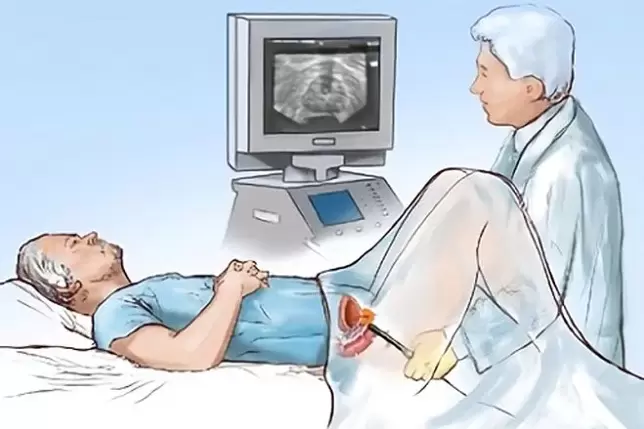
What does TRUS offer?
- Shows the exact dimensions of the prostate and its various parts,
- The condition of the soft tissues and seminal vesicles can be examined and evaluated in detail.
What tests are needed
- General urine and blood tests,
- Urine bacterial culture,
- Urethral smear
- Prostatic secretion.
If necessary, other types of studies may be conducted.If there is significant voiding disorder, urodynamic testing is performed to assess bladder function.If prostate adenoma or tumor development is suspected, a blood test for the tumor marker PSA (prostate-specific antigen) is performed, and a biopsy of the glandular tissue is performed for histological examination.
Treatment of prostatitis
Modern medicine offers many opportunities to deal with prostatitis.The most effective treatment of prostatitis in men is based on a comprehensive approach, which includes a variety of methods.The specific approach to treating prostatitis depends on the stage of the disease, when it occurs, the extent of the disease and severity of symptoms, as well as the physical characteristics of each specific case.Typically, all treatments are performed on an outpatient basis by a urologist.In rare cases, dangerous complications may require hospitalization.
Treatment
- drug treatment,
- massage,
- therapeutic gymnastics,
- Operation,
- A minimally invasive method of destroying inflamed tissue and dilating the urethra.
drug treatment
The first question that arises after the examination is how to treat male prostatitis.First, they turn to medication.Prescription is based on the cause of prostatitis and existing symptoms.
Drugs to treat prostatitis:
- Antibacterial agents (for bacterial prostatitis),
- antiviral drugs (against the viral form),
- non-steroidal anti-inflammatory drugs,
- alpha blockers,
- painkillers,
- decongestants,
- Fever reducers.
Many medications for treating prostate inflammation are prescribed in the form of suppositories.This form allows you to get results faster.Under no circumstances should you prescribe medications yourself, since each drug has contraindications and side effects that only a specialist can fully take into account.
massage
This method of treating prostatitis is used as a complementary approach when using medication.It treats prostatitis faster and with better results.Use internal and external massage methods.
The main and most effective method of massaging the prostate is rectal digital stimulation.The specialist performing the massage inserts his fingers into the patient's rectum, feels the prostate and makes massage movements.
Benefits of massage:
- Improve blood supply,
- stimulates glands,
- Clear stagnant secretions.
With prostate massage, the effects of medications can be enhanced and recovery can be faster.
External massage does not involve penetration into the body; the massage movements are made through the perineal skin.The procedure works well to prevent prostatitis in men, but it is not effective enough to treat the disease.
therapeutic gymnastics
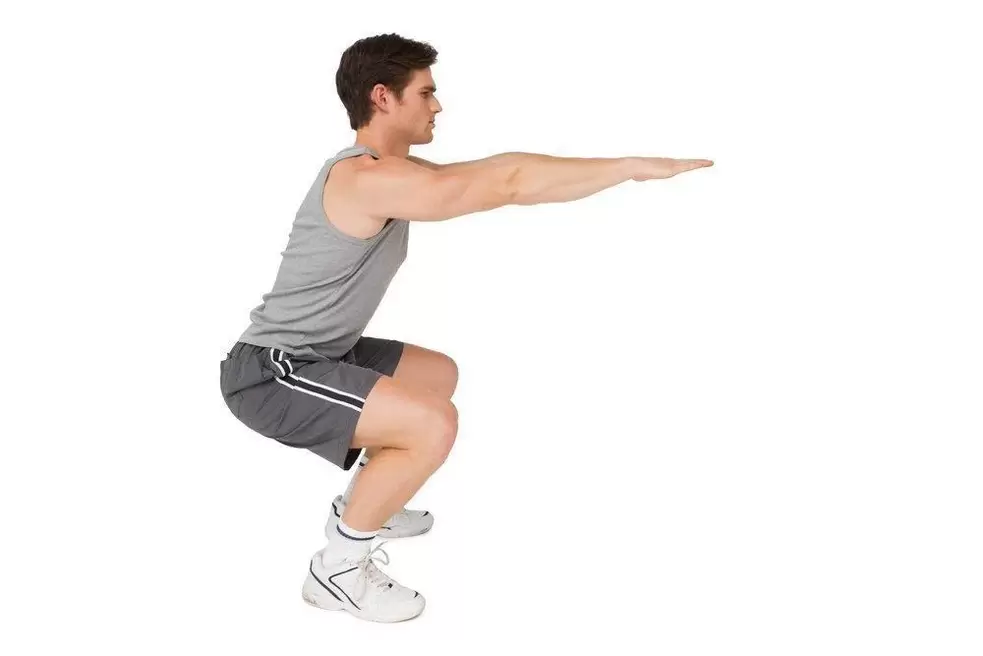
How to treat prostatitis through exercise therapy?When exercising, arterial blood flows into the prostate and venous blood outflow is improved, i.e. stagnation in the organ is eliminated.Of course, this happens gradually with regular exercise.Designed to support men's health, this comprehensive exercise is a set of simple exercises performed while lying down, sitting or standing.One of the simplest and most effective exercises is to regularly tense and relax your anal muscles.It can be done at any time, almost anywhere, even at work because it is completely invisible to others.This exercise has a good effect on preventing prostatitis in men.It allows you to maintain good muscle tone and active blood circulation in your perineum.
A minimally invasive approach to correcting prostate problems
Modern medicine offers minimally invasive methods of treating prostatitis in men, which have only recently been developed.They are used when a range of conservative treatment measures fail to resolve the problem.This type of method is used when there is a need to ensure urine flow and reduce inflammation.
Recommended techniques:
- Transurethral microwave therapy helps reduce the size of the prostate by applying high temperatures.
- Ultrasound treatment of the prostate can help relieve inflammation.
- Laser methods coagulate tissue, thereby promoting tissue renewal and enhancing local immunity.
- Cryodestruction is a method that uses low temperatures to remove areas of inflamed tissue.
- Balloon urethrodilation is the mechanical dilation of the urethra using a special inflatable balloon, inserted through a catheter.
- Urethral stenting can be used alone or in conjunction with balloon dilation.A stent is used to dilate the urethra.
surgical treatment
The fundamental way to treat prostatitis is surgery.Today it is rarely used, only in difficult situations where other methods fail to bring results.The essence of the surgery is to remove the prostate, thereby reducing urethral pressure, improving urodynamics and relieving inflammatory symptoms.
The surgery can be performed open or transurethral (that is, through the urethra).
Men suffering from this disease are interested in whether it is possible to cure prostatitis and forget about it forever.As long as there are no large-scale scarring changes in the glandular tissue, it can be completely cured.The most important thing to successfully treat prostatitis is to see a urologist promptly.Once urination problems occur, you need to go to a medical institution for examination and, if necessary, receive treatment from a doctor.To avoid the question of how to recover from prostatitis, it is worth practicing prevention: an active lifestyle, eating right, not drinking alcohol and paying attention to everything related to maintaining male health.